
Interior design is the powerful art and science of understanding human behavior to create functional, safe, and aesthetically pleasing environments within a building. It’s a discipline that goes far beyond selecting paint colors or throw pillows; it involves meticulous space planning, an understanding of building codes, and even environmental psychology to ensure the space positively affects mood, productivity, and overall well-being. The ultimate goal is to craft spaces that are not only beautiful but truly enhance the quality of life for the people who inhabit them.
Core Principles of Interior Design
Effective interior design relies on fundamental principles to achieve a harmonious and balanced result:
- Space Planning: The foundation of any good design is how the space is organized. Designers use layout manipulation, sometimes with walls or furniture, to define movement and function.
- Balance and Proportion: Arranging elements in a way that creates visual stability. This can be symmetrical, asymmetrical, or radial. The 3-5-7 rule suggests using odd numbers of items in groupings for more dynamic arrangements.
- Lighting and Ergonomics: Proper lighting is crucial for both functionality and mood. Designers also focus on ergonomics—designing spaces and items to fit the physical and psychological characteristics of users, ensuring comfort and health.
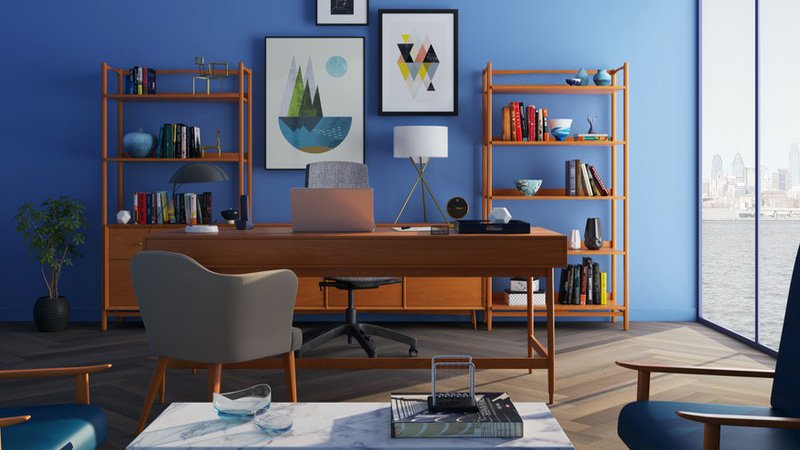
- Rhythm and Contrast: Introducing repetition of patterns or elements (rhythm) and using opposing elements like dark paint with large windows (contrast) to add visual interest without monotony.
Key Styles and Modern Trends
Interior design trends evolve, but classic styles offer enduring appeal:
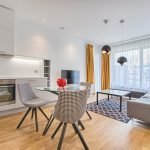
- Minimalism: Embraces simplicity and functionality, using clean lines, neutral palettes, and minimal clutter to create a calm, uncluttered environment.
- Maximalism: A “more is more” approach that layers patterns, textures, and personal collections to create vibrant, personality-filled spaces.
- Sustainable Design: A growing focus on eco-friendly materials, energy efficiency, and natural elements (biophilia) to create healthier indoor environments and reduce environmental impact.